 MN
MN
 EN
EN
-
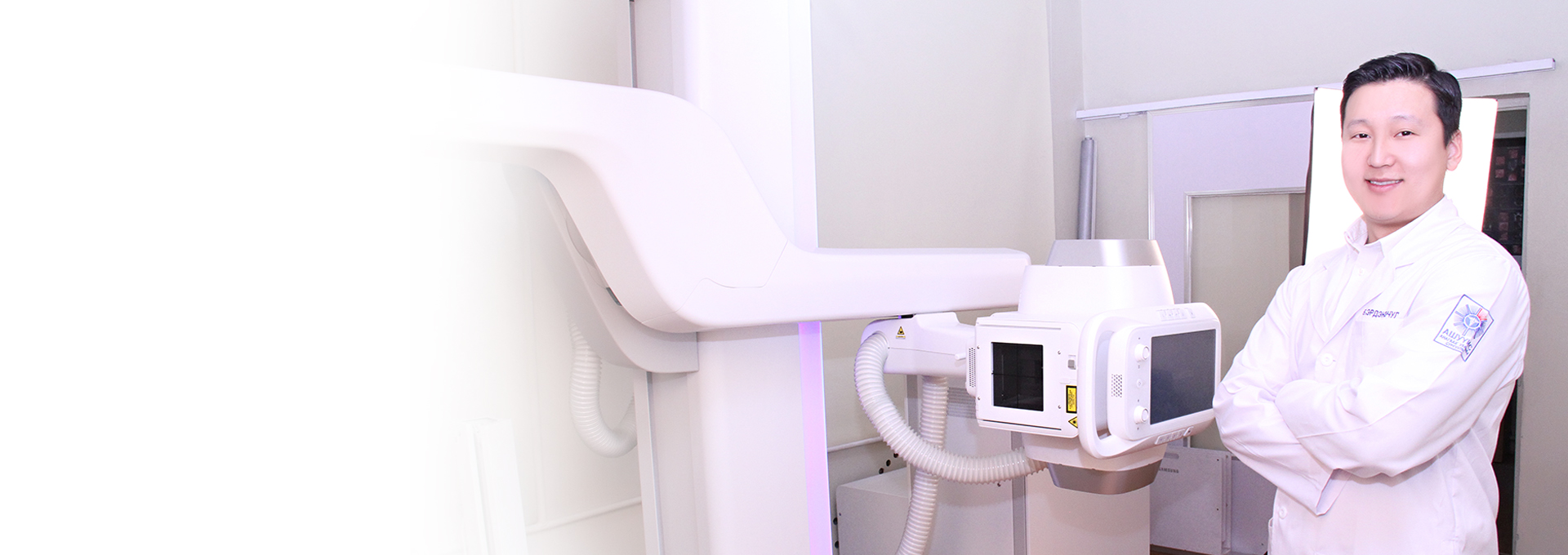 Компанийн тухайБид мэдээлэл технологийн мэргэжлийн үйлчилгээ үзүүлэх зорилготойгоор 2014 онд байгуулагдан тасралтгүй энэ чиглэлээрээ ажиллаж байна. Дижиталмедик нь мэдээллийн аюулгүй байдлын ISO27001 болон хувь хүний нууцын ISO207701 стандартыг нэвтрүүлсэн байгууллага бөгөөд аливаа бизнесийн мэдээллийн технологийг загварчилж, төлөвлөх, хөгжүүлэх, шийдлээр хангах, мэдээллийн аюулгүй байдлыг хамгаалах зэрэг бүхий л асуудлуудыг харьцангуй бага зардлаар, богино хугацаанд илүү өндөр чанар, бүтээмж сайтай гүйцэтгэдэг.Дэлгэрэнгүй
 -
 ТанилцуулгаLIMS - Лабораторийн үйл ажиллагааны програм хангамж нь Монгол Улсын хэмжээнд хамгийн өргөн хэрэглэгдэж буй бөгөөд дээж бүртгэлээс эхлэн шинжилгээний хариу гаргах, түүнийг удирдах хүртлэх үйл ажиллагааны цахим бүртгэл, боловсруулалтын үйл ажиллагааны систем юм. Лабораторийн шинжилгээний явц, баримт бичгийг цахимаар удирдахад зориулагдсан тус систем нь доорх гол үр дүнгүүдийг шууд бий болгодог.Дэлгэрэнгүй
Модулууд
Хэрэглэгч байгууллагууд






Манай үйлчилгээ
Манай үндсэн үйлчилгээтэй танилцана уу.
БИД МЭДЭЭЛЛИЙН ТЕХНОЛОГИЙН ОРЧИН ҮЕИЙН ШИЙДЭЛ САНАЛ БОЛГОЖ БАЙНА.
Сэтгэгдэл
Сэтгэгдэл үлдээхУян хатан төлөвлөгөө
Манай үнийн санал
Энгийн
- • Лабораторийн үйл ажиллагааны системийн үндсэн модуль
- • Төлбөрийн модуль
- • Файл архив
Иж бүрэн
- • Чанар баталгаажилтын модуль
- • Чанарын хяналтын модуль
- • Эм урвалж
Онцгой
- • Үндэсний итгэмжлэлийн төвийн системтэй холбох
- • Систем админ
- • Сервер, хостингийн шийдэл
- • Шалгалт тохируулга
- • Ажлын хуудас - маниул
- • Хэмжилзүйн эргэлзээ
- • Стандарт хазайлт
- • Төхөөрөмж холболт
- • Эксэл дата импортлох
- • Хостинг, Сервер түрээс
Тусгай хувилбар
- • Томьёо тооцоолол тохиргооны модуль
- • Төлөвлөгөөт дээж
- • Орчны нөхцөлийн бүртгэл
- • Өртөг тооцоолол
- • Үр дүн архивлалт (pdf)
Лаб системээс гадна бусад програм хангамжуудын хувьд гол функц нь бүртгэл юм. Сүүлийн жилүүдэд лабораториуд заавал зориулалтын програм хангамжтай байх ёстой гэсэн шаардлага олон улсын хэмжээнд тавигдаж байгаа. Гар ажиллагааг багасгах замаар бүтээмжийг дээшлүүлж, доорх тогтолцоог бий болгодог:
● Ажлын үйл явцын удирдлага
● Бүртгэлжүүлэлт
● Тоног төхөөрөмж, эм урвалжийн удирдлага
● Тайлан, тооцоо
Бүртгэлжүүлэлт: Дээж бүрийн үнэн зөв бүртгэлийг хөтлөхийн тулд LIMS-ийг дээжийн менежментэд ихэвчлэн ашигладаг. Дээжийг бий болгох эсвэл лабораторид анх ирэхэд нарийвчилсан мэдээллийг бүртгэх боломжтой бөгөөд үүнийг амьдралынхаа туршид сайжруулж, өргөжүүлэх боломжтой. Үүнд ихэвчлэн дээжийн эх сурвалж, түүн дээр ажиллаж буй лабораторийн судлаачдын нэрс, ажлын урсгалын аль хэсгийг дамжсан зэргийг багтаадаг. Мөн хэрхэн хадгалах, дуусах хугацаа зэрэг мэдээллийг багтаасан болно. Энэ мэдээллийг хадгалахын тулд LIMS ашиглах нь дээж алдагдах, бохирдох, хугацаа нь дуусах эрсдэлийг бууруулдаг. Тоног төхөөрөмж, эм урвалжийн удирдлага: Бараа материалын бүртгэл хөтлөх нь өдөр тутмын лабораторийн менежментийн чухал хэсэг юм. LIMS систем нь энэ үйл явцыг бүрэн автоматжуулж, хангамжийг шаардлагын дагуу урьдчилан захиалах боломжтой. Энэ нь лабораторийн ажлын урсгалыг тогтвортой байлгаж, нөөцийн хомсдолоос үүдэлтэй саатал, асуудлаас сэргийлдэг. Тайлан, тооцоо: LIMS нь үнэн зөв, цаг тухайд нь тайлагнах чухал хэрэгсэл юм. Энэхүү систем нь өдөр бүр, долоо хоног, сар бүр тайлагнах олон ажлыг автоматжуулах боломжтой. Нэмж дурдахад, түр зуурын тайланг хурдан ажиллуулж, лабораторийн ажилчдад бодитой шийдвэр гаргах боломжийг олгодог. Нэмж дурдахад, уншилтыг төхөөрөмжөөс шууд авч, системд шууд оруулж, хамгийн өндөр нарийвчлалтай тайлан гаргах боломжтой. Ажлын үйл явцын удирдлага: LIMS-ийг лабораторийн ажлын явцыг оновчтой болгох, судлаачдад автоматаар даалгавар өгөхөөс эхлээд ажлын урсгалын дараагийн алхамд дээжийг хаана шилжүүлэх шаардлагатайг тодорхойлоход ашиглаж болно. Урьдчилан тогтоосон дүрэм, шалгуурт үндэслэн багаж хэрэгсэл, тоног төхөөрөмжийг санал болгохоор програмчилж болно. LIMS-ийн ашиг тусын талаарх нэмэлт мэдээллийг энэ вэбсайтаас авах боломжтой эсвэл бидэнтэй шууд холбоо бариарай, бид тантай танай лабораторид тохирсон шийдлийн талаар уулзалт хийж, ярилцах боломжтой.
LIMS-ийг лабораторийн ажилчид болон бүх салбарын туслах ажилтнууд ашигладаг. Лаборатори бүр LIMS-ээс ашиг тус хүртэх боломжтой боловч тэдгээрийг ихэвчлэн анагаах ухаан, эмийн хяналт, хүрээлэн буй орчны хяналт, үйлдвэрлэл, чанарын баталгаажуулалтын лаборатори болон бусад салбарт ашигладаг. Манай LIMS програм хангамжийн өргөн хүрээний салбаруудыг эндээс харна уу.
● Нарийвчлал - Үр дүнгийн нарийвчилсан үр дүн гаргах, ялангуяа олон дахин давтагдах үр дүнгүүд дээр ажиллах боломжийг олгодог. Мөн өгөгдлийг баталгаажуулах, дамжуулахдаа эрсдэл багатай байх боломжийг бий болгодог.
● Үр ашигтай ажиллагаа - Бүртгэлийн хэсгүүдийг автоматжуулснаар хурдан бүртгэл хийж, сан үүсгэнэ. Үүссэн сан дээрээс тоон мэдээлэл дээр ажиллахад бүтээмж бий болгоно. Энэ аргаар алдаа гарах магадлалыг багасгадаг.
● Менежмент - Лабораторийн үйл ажиллагаанд дүн шинжилгээ хийх, гарсан үр дүнгүүдийг удирдах боломжийг олгодог нь гол давуу тал болно. Ажлыг оновчлох үйл явц энд хийгдэнэ.
● Дээж, шинжилгээний өгөгдлийг олж мэдээлэх, файлын архив ашиглалт
● Шинжилгээний үр дүн удирдах, гэрчилгээг бий болгох
● Дээжийг бүртгэх
● Багажнаас өгөгдлийг электроноор авах
● Эцсийн үр дүнг тооцох
● Лабораторийн үйл явцуудыг автоматжуулах нь үр ашгийг нэмэгдүүлж, алдааг багасгах боломжийг олгодог. Энэ нь манай программ хангамжийг ашиглахын гол давуу тал боловч үүнээс илүү зүйл бий.
Тухайн лабораторийн үйл ажиллагааны салбар, онцлог, цар хүрээнээс хамаарч лабораторийн систем нэвтрүүлэлт 2 сараас 6 сарын хугацаанд ихэвчлэн хийгддэг. Хүнс, биохими, мал эмнэлэг, үйлдвэрийн лаборатори, эмийн сан, ус гэх мэт онцлогтой лабораториудад өөр өөр арга барилаар нэвтрүүлэлтийн ажил хийгддэг.
Хамгийн түрүүнд олон улсын стандартын дагуу үйл явцаа удирддаг байх шаардлага тавигдана. Энэ утгаараа итгэмжлэлийн гэрчилгээ авах болон авахад шаардагдах шалгууруудыг хангасан байх ёстой юм. Цаашлаад тухайн байгууллагын үйл ажиллагаанд тохирч, үр ашигтай, найдвартай, уян хатан байх нь чухал байдаг. Тиймээс шаардлага хангасан систем гэдгийг дараах шалгуураар үнэлж болох юм:
● Хэрэглэгчдийн шаардлагаас гадна лабораторийн үйл ажиллагаанд нийцүүлж, хялбархан өөрчлөлт хийх боломжтой.
● Бүтэн үйл явц буюу дээж авах шатнаас эхлэн эцийн үр дүн гаргах хүртэл удирдлагын бүртгэл хийгдэнэ. Үүнд зохистой дадал, агуулах, дээжийн агуулах, эм урвалж, тайлан, мэдэгдлийн систем болон тусгай сангуудын холболт хийгдсэн байна.
● Ашиглахад энгийн ойлгомжтой бөгөөд хандах эрхийн хувьд уян хатан байна. Жишээлбэл, дээж авалт, хяналт, шинжилгээ, үр дүн, баталгаажилт гэх мэт ээр салж болно.
● Гуравдагч талын мэдээллийн системүүдтэй холбогдох боломжтой бөгөөд үр ашигтай ажиллах боломжийг олгодог байх. Жишээлбэл, Үндэсний итгэмжлэлийн төв, Хүнсний аюулгүй байдлын лавлагаа лаборатори, Гаалийн ерөнхий газрын лаборатори, Нэг цонхны систем гэх мэт үндэсний хэмжээнд ажилладаг сангуудтай хялбар холбогдох боломж нээлттэй байх.
Товчхондоо хялбар зохицон ажиллах боломжоор хангадаг, үйлчлүүлэгчдэд давуу талыг олгодог, лабораторийн үйл явцыг үр дүнтэйгээр удирддаг, эргээд шинжилгээний үр дүнг мөшгих боломжоор тодорхой хангадаг байх нь орчин үеийн лабораторийн системийн суурь шаардлага юм.